
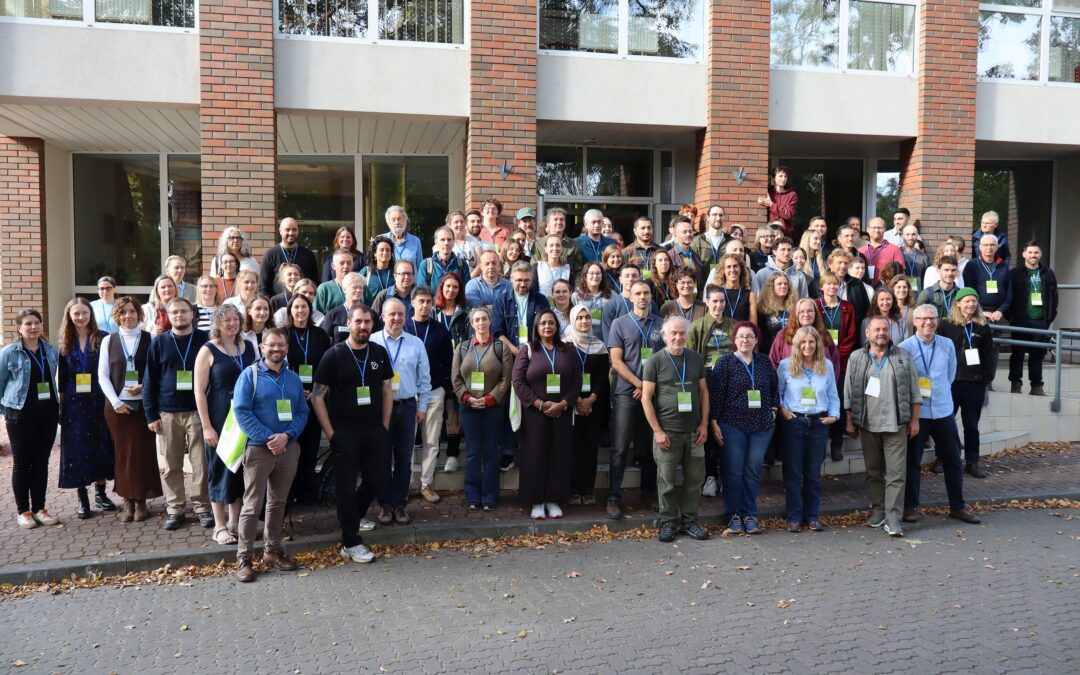
MRI PAS co-hosts international conference on the ecology and conservation of small carnivores as part of the biennial Białowieża Ecology Conference.
From 6 to 9 October 2026, the Mammal Research Institute, Polish Academy of Sciences (MRI PAS) hosted the 36th European Mustelid Colloquium as part of the Białowieża Ecology Conference. The international scientific meeting was organised in collaboration with the Vincent Wildlife Trust (VWT) and co-funded by the Polish Academy of Sciences.
The conference brought together more than 120 wildlife conservation specialists and representatives of nature conservation organisations from 24 countries worldwide. The main focus was on the ecology, evolution, monitoring and conservation of mustelids (Mustelidae). The programme comprised four thematic sessions covering population recovery, modern monitoring techniques, threats and conservation measures, as well as the behaviour, ecology and evolution of these animals. One of the key topics was the recovery of species whose populations had declined to critically low levels across substantial parts of their former ranges. In her keynote lecture, Dr Jenny MacPherson of the Vincent Wildlife Trust shared experience gained from pine marten and polecat recovery programmes in the UK.
A substantial part of the conference focused on modern research methods that can improve the detection and monitoring of elusive small carnivores. The second keynote speaker, Dr Tim Hofmeester of the Swedish University of Agricultural Sciences, presented the potential of camera traps, citizen-science data and digital tools for studying mustelids. The examples demonstrated how records from public observations and automated monitoring systems can help researchers track changes in the distribution of weasels, stoats and polecats, including in relation to weather conditions. The monitoring session also covered the use of drones equipped with telemetry systems, thermal imaging cameras for population assessments, and Mostela devices for monitoring the smallest mustelids.
Another part of the programme addressed threats to mustelid populations arising from climate change, habitat modification and human activities. The third keynote lecture, delivered by Dr hab. Karol Zub of MRI PAS, focused on methods for monitoring the eradication programme targeting invasive stoats in Scotland’s Orkney Islands. He demonstrated how combining technology with local community engagement can support the management of invasive species. In addition to the keynote lectures, the programme featured dozens of scientific presentations and a poster session. The raffle, a much-loved tradition of the European Mustelid Colloquium, raised funds for the Vincent Wildlife Trust’s travel grant programme, which supports students attending the next edition of the conference.
Between two intensive days of scientific sessions, one day was dedicated to field trips to the Strict Reserve of Białowieża National Park and the European Bison Show Reserve. These visits gave participants an opportunity to experience the natural heritage of Białowieża Forest and see the habitats where ecological research on mammals and forest ecosystem functioning has been conducted for decades. All participants also had the opportunity to visit the MRI PAS Zoological Collection, which attracted considerable interest. At the closing ceremony, awards sponsored by MRI PAS were presented for the best student talks and posters.
The conference provided an opportunity to exchange the latest research findings, share experience from conservation programmes and discuss methods for monitoring wild mammal populations. It also highlighted the importance of international collaboration and the use of modern technologies in biodiversity conservation. We would like to thank all participants, co-organisers and our invaluable volunteers for helping to create such a welcoming and successful event!
Organisers: Mammal Research Institute, Polish Academy of Sciences (MRI PAS), and Vincent Wildlife Trust (VWT).
The conference was co-funded by the Polish Academy of Sciences.
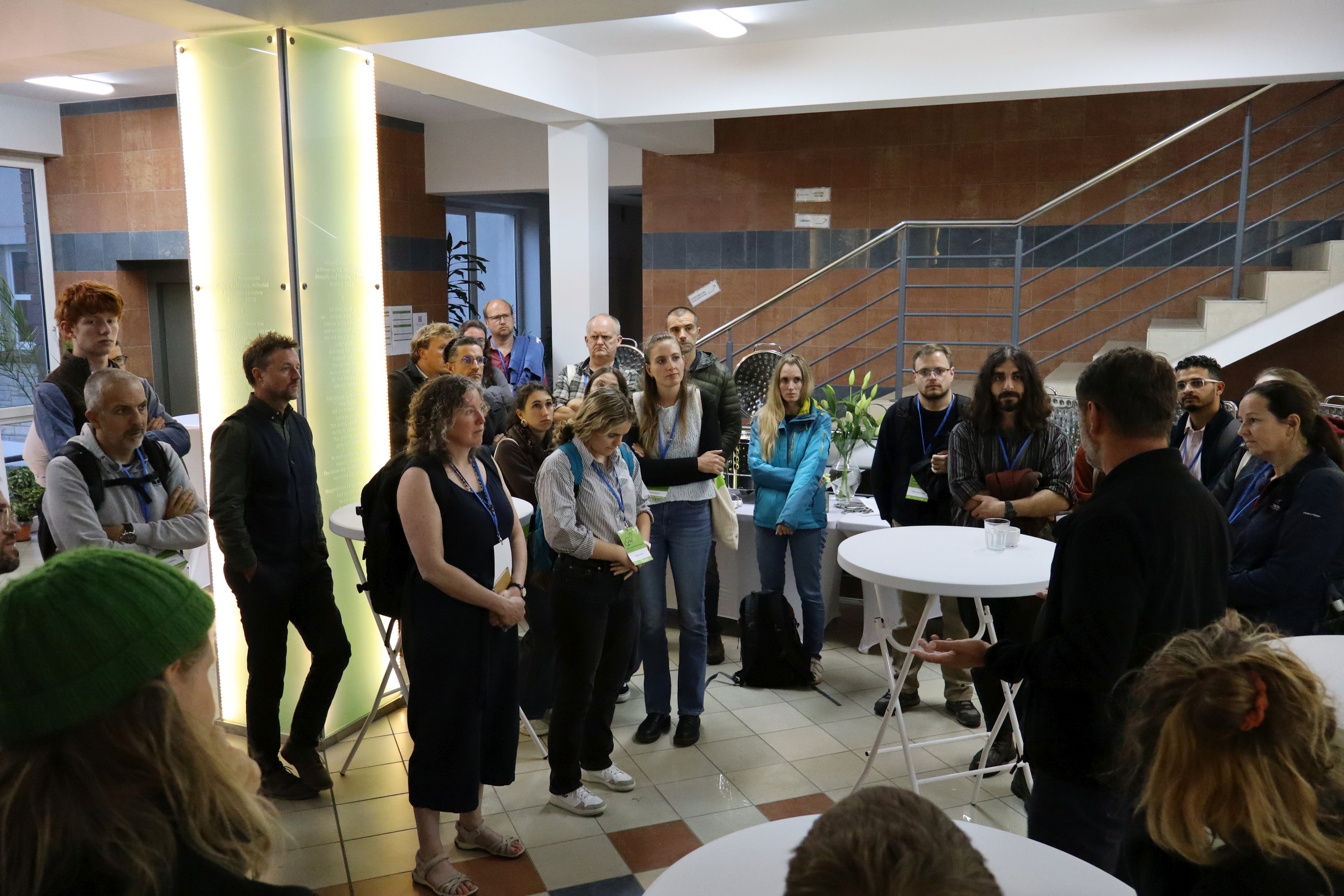
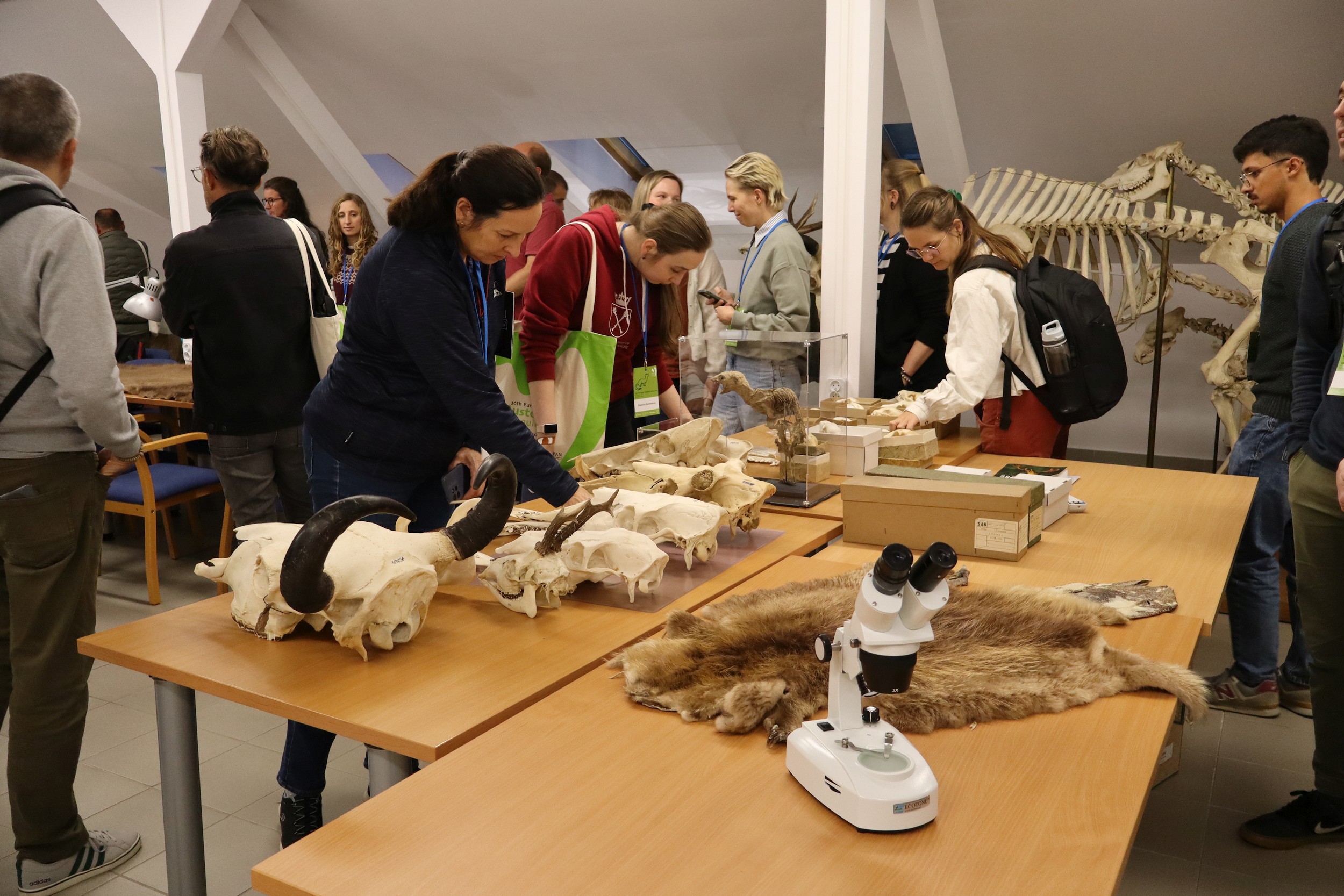
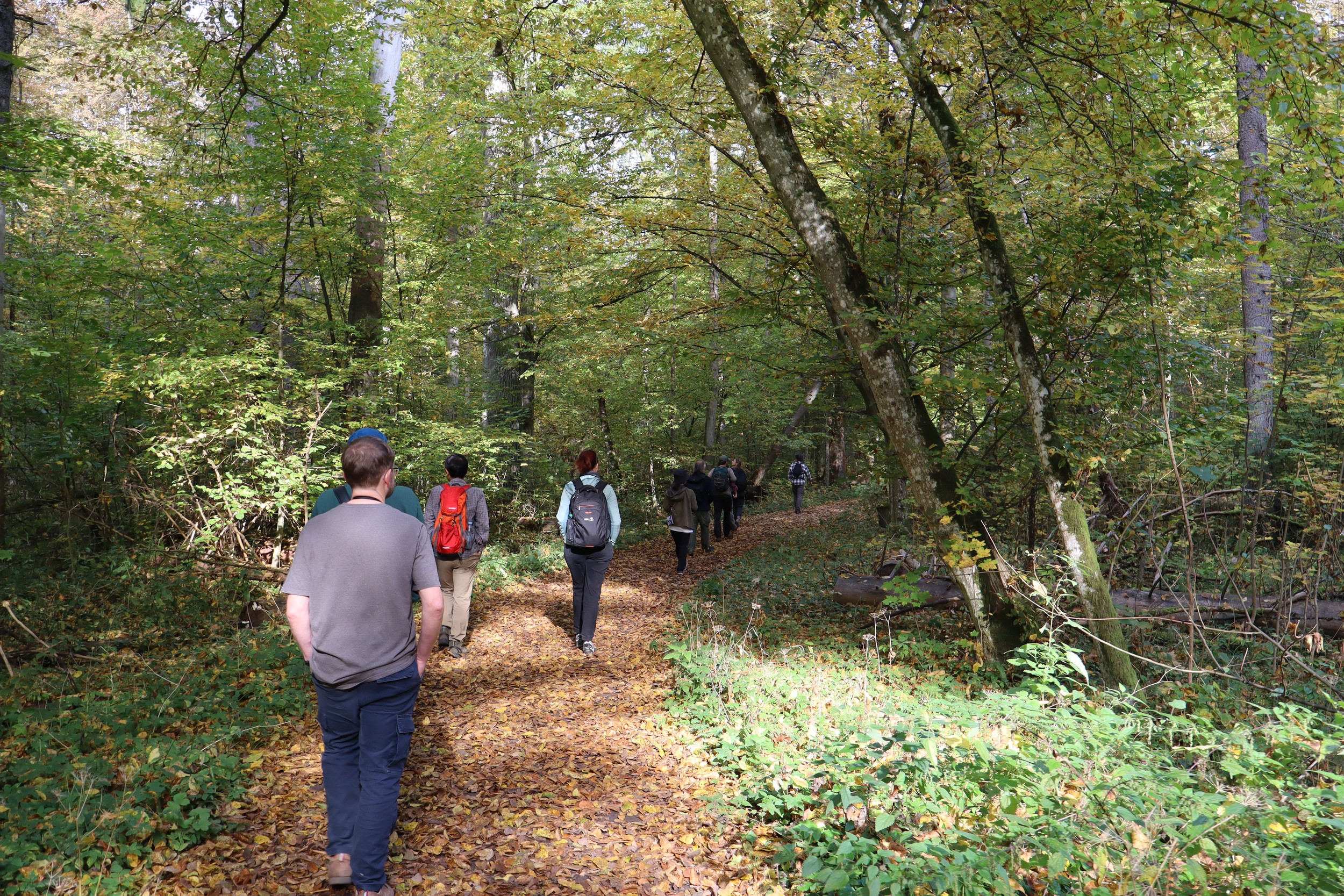
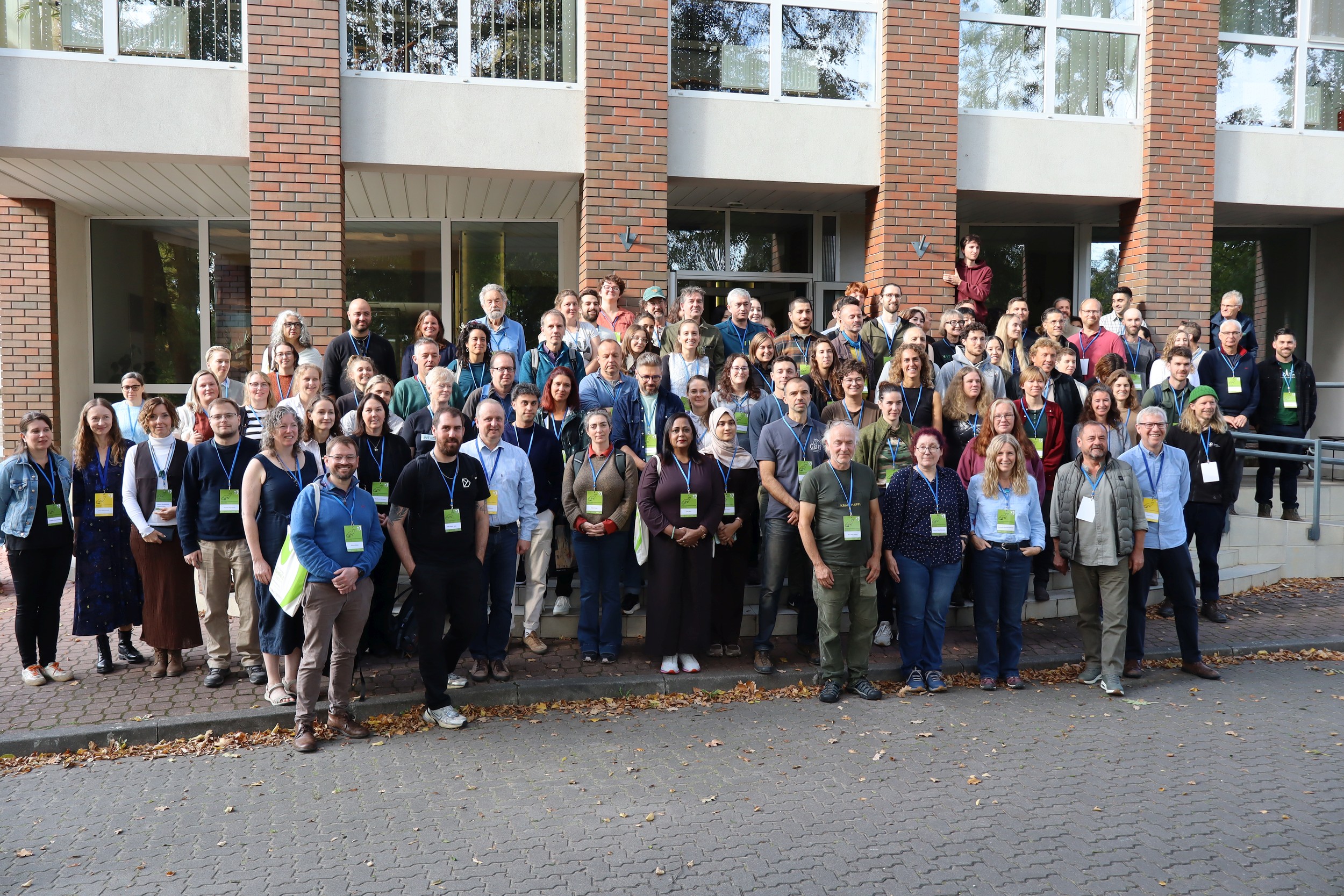
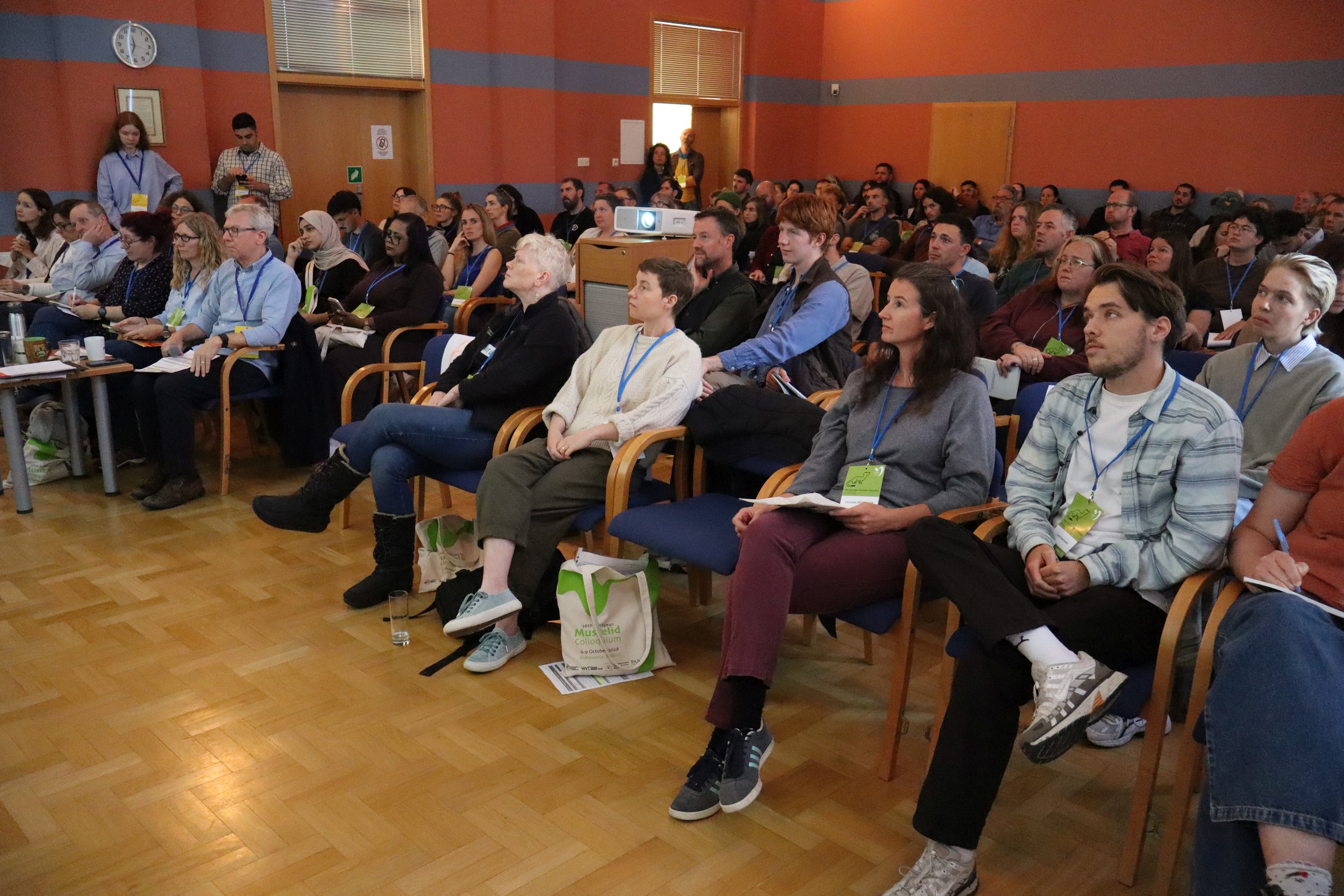
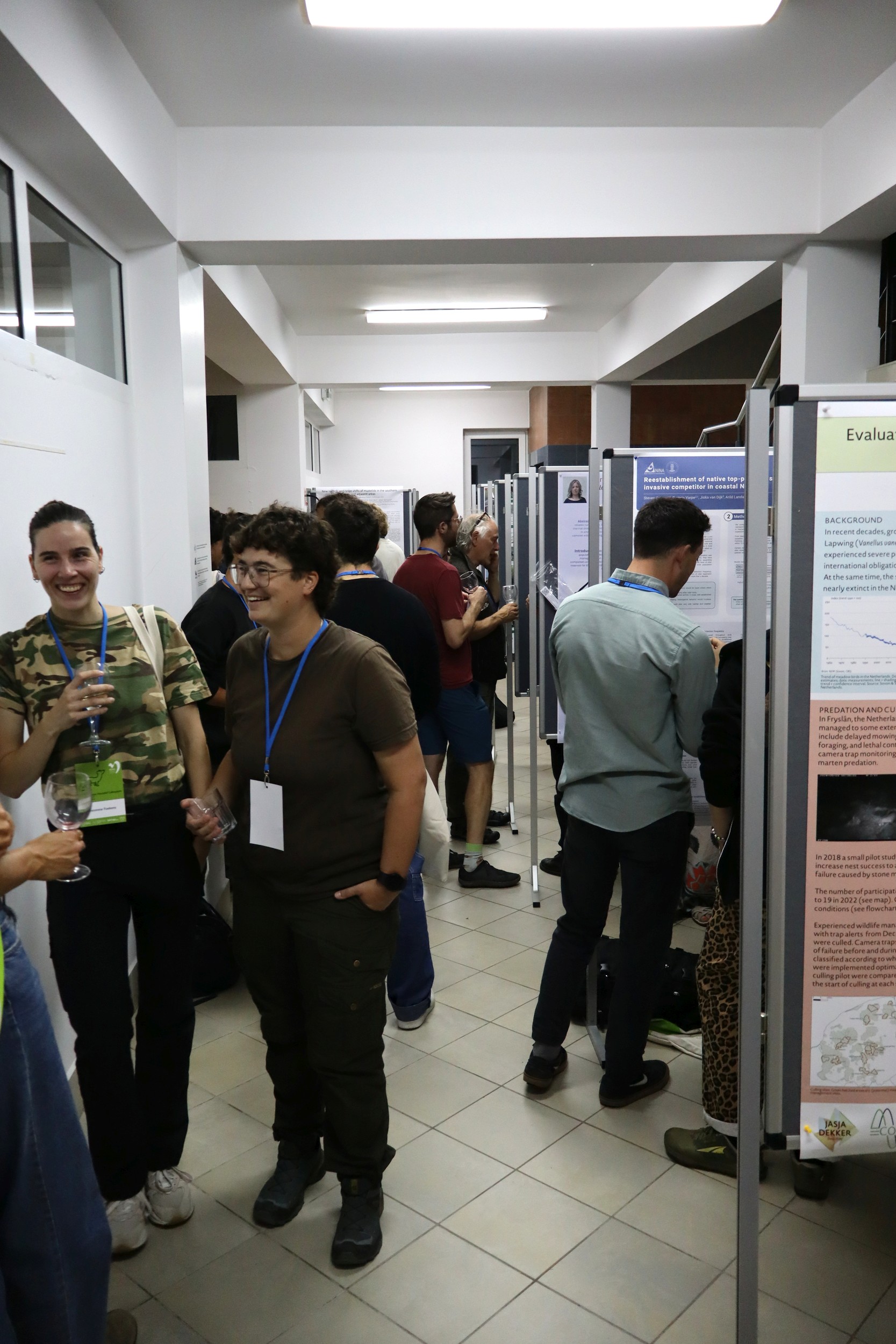
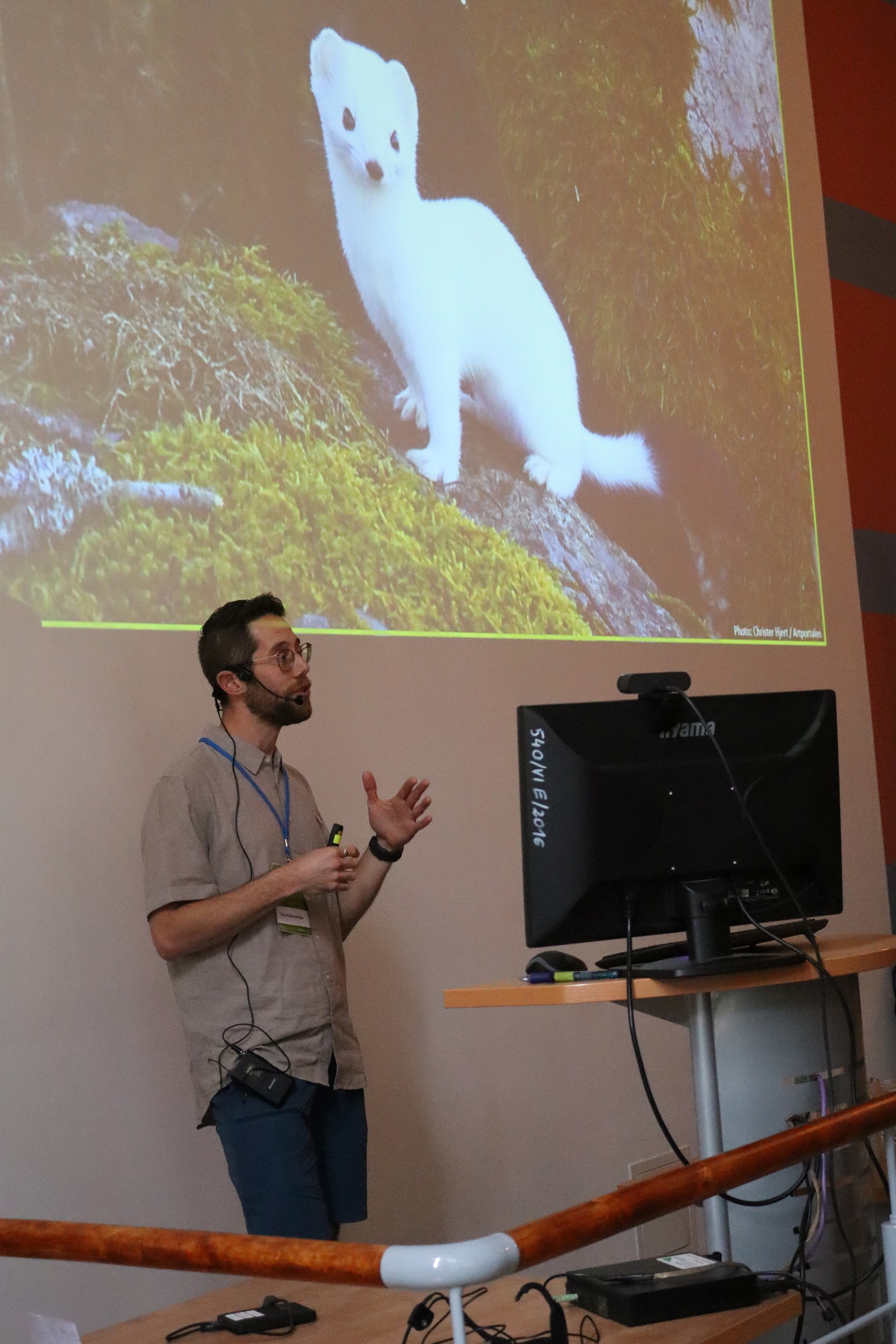
Photo: Luca Ranza