| Project duration: | 2026-2029 |
|---|---|
| Project status: | Active |
| Project leader: | Dr. Emilia Hofman-Kamińska (MRI PAS, Białowieża) |
| Project co-investigators: |
prof. Eline D. Lorenzen (University of Copenhagen) dr hab. Maciej T. Krajcarz (Institute of Geological Sciences, PAS) dr Irka Hajdas (ETH Zürich) prof. dr hab. Rafał Kowalczyk (MRI PAS, Białowieża) dr hab. Tomasz Borowik (MRI PAS, Białowieża) mgr Tomasz Kamiński (MRI PAS, Białowieża) mgr Ewelina Hapunik (MRI PAS, Białowieża) |
Project Description
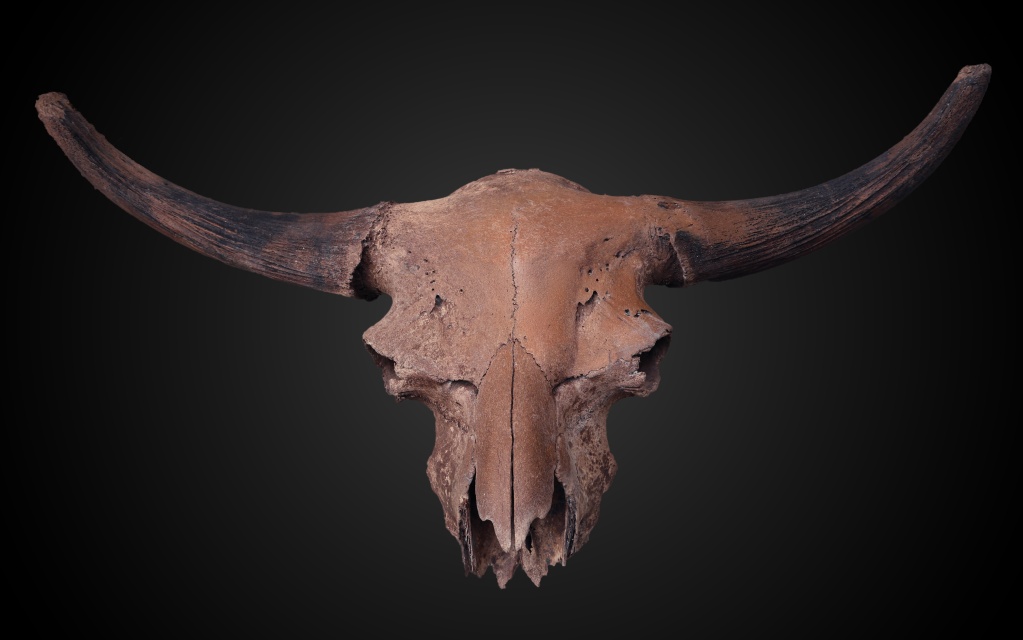
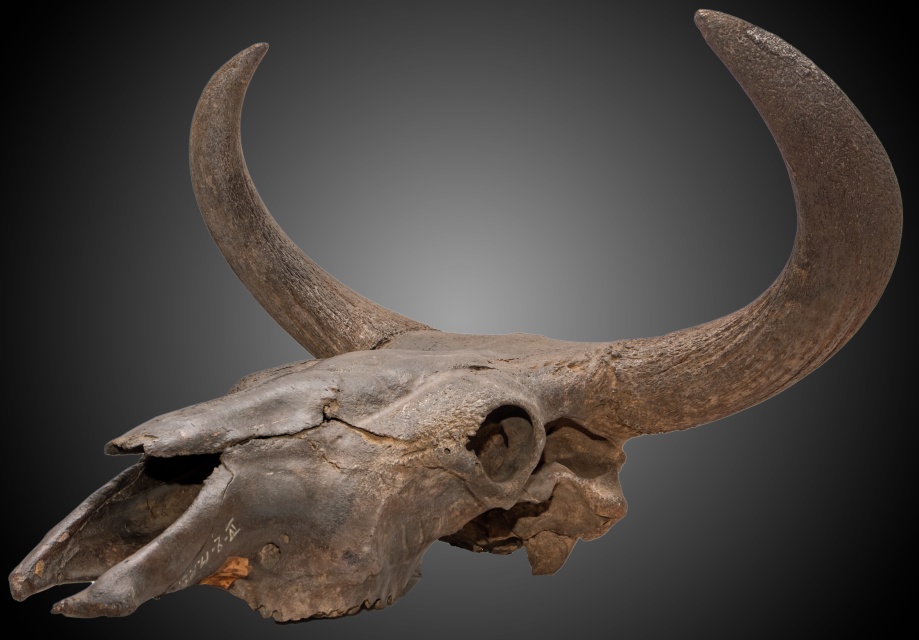
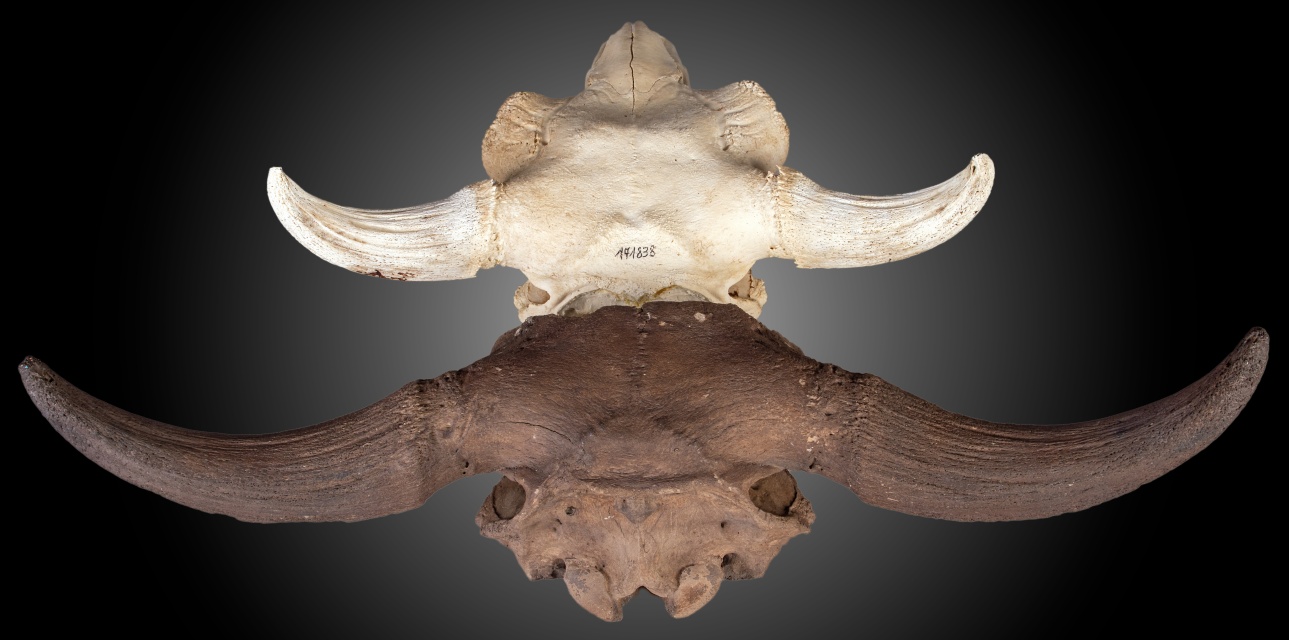
The main objective of this project is to reconstruct the body mass of the steppe bison (Bison priscus), the European bison (Bison bonasus), and the aurochs (Bos primigenius) in Europe during the Late Pleistocene and Holocene as model species, and to identify factors that may have influenced changes in their body size in the past.
Climate and environmental changes affect species in various ways, ranging from shifts in their spatial distribution—such as a contraction or expansion of their range—through changes in body size and diet, to extinction or survival. Climate warming means that rising temperatures have a direct and lasting impact on herbivores’ ability to maintain a high body mass, as well as an indirect impact on the vegetation that serves as their food source. Another major factor affecting mammal populations since the late Pleistocene has been humans: directly, through overhunting, and indirectly, through the reduction of their natural habitats (primarily during the Holocene).
Some studies show that animals in cooler climates (at higher latitudes) are larger than their close relatives from warmer regions (at lower latitudes), but others contradict this, as each species may respond differently to climate change. We would like to find out: Were steppe bison, European bison, and aurochs larger at higher latitudes and smaller in southern Europe?
Significant environmental fluctuations in precipitation or temperature can, over time, cause changes in habitat types and their suitability for foraging. We therefore ask: Did environmental changes lead to changes in the prevailing biomes, and were these changes reflected in the body size, habitat use, and diet of the studied species?
According to some studies, larger individuals were more likely to be killed by humans, meaning that the body sizes of many species were significantly larger in the past than they are today. We therefore ask: Did the removal of the largest individuals from the population result in a subsequent decrease in body mass across the entire population (assuming only smaller individuals reproduced), or was the impact of this hunting strategy negligible for the evolution of body mass in large herbivores of the Late Pleistocene and Holocene?
The project will be conducted using modern and fossil skulls and horns of two bison species and the aurochs, employing the following research methods:
- Morphometric measurements of skulls and horns of three species of large ungulates.
- Body mass modelling of fossil species based on a model developed from measurements of modern individuals of the European bison populations.
- Radiocarbon (14C) dating of fossil bones to determine their age.
- Analysis of the stable isotope ratios of carbon (δ13C) and nitrogen (δ15N) in bone collagen to investigate diet and foraging habitats.
- Genetic sex determination of fossil specimens.
- Reconstruction of biomes and climate components using dynamic global vegetation models (DGVM) and climate models (HadCM3), as well as human population size using HYDE data.