FURTHER GREAT NEWS!
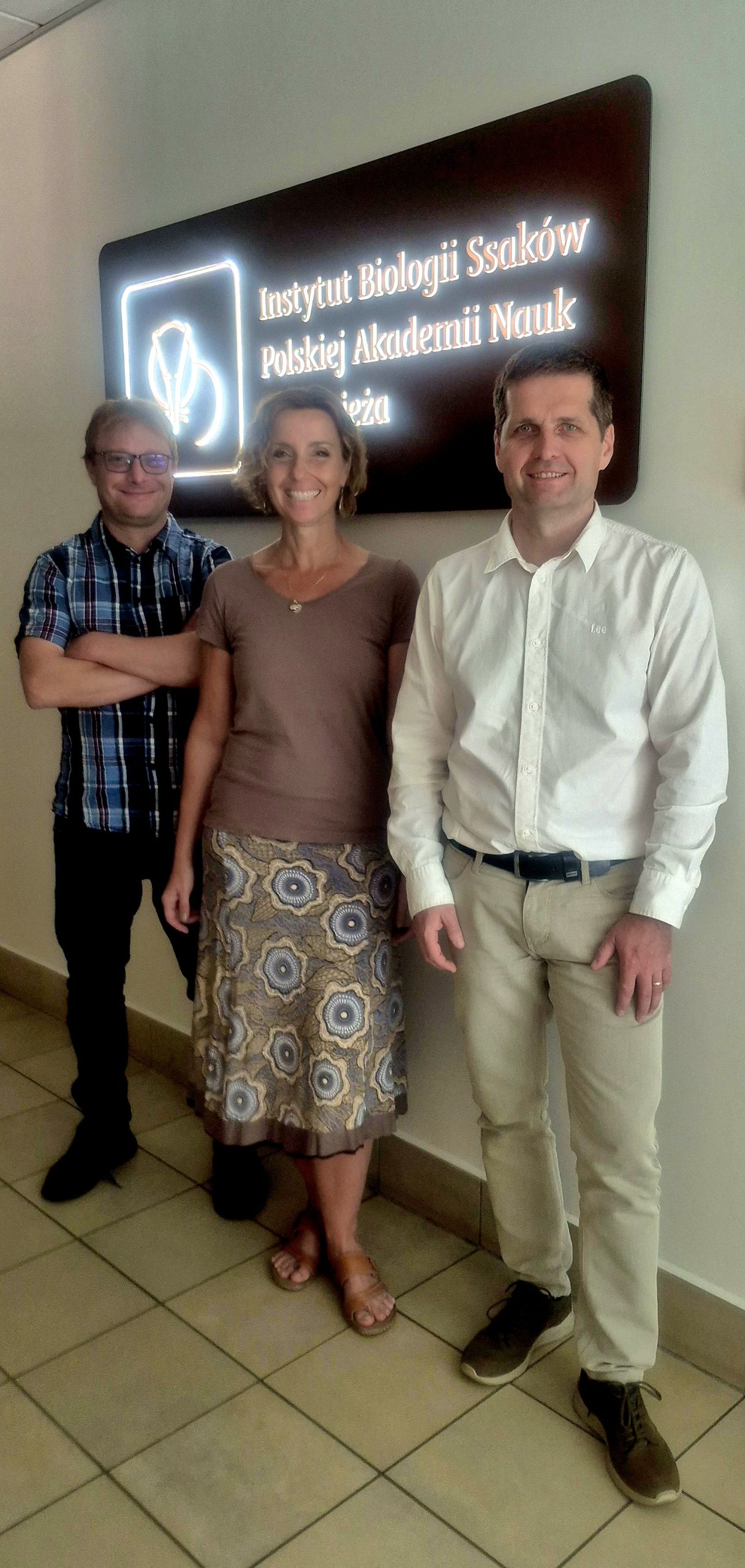
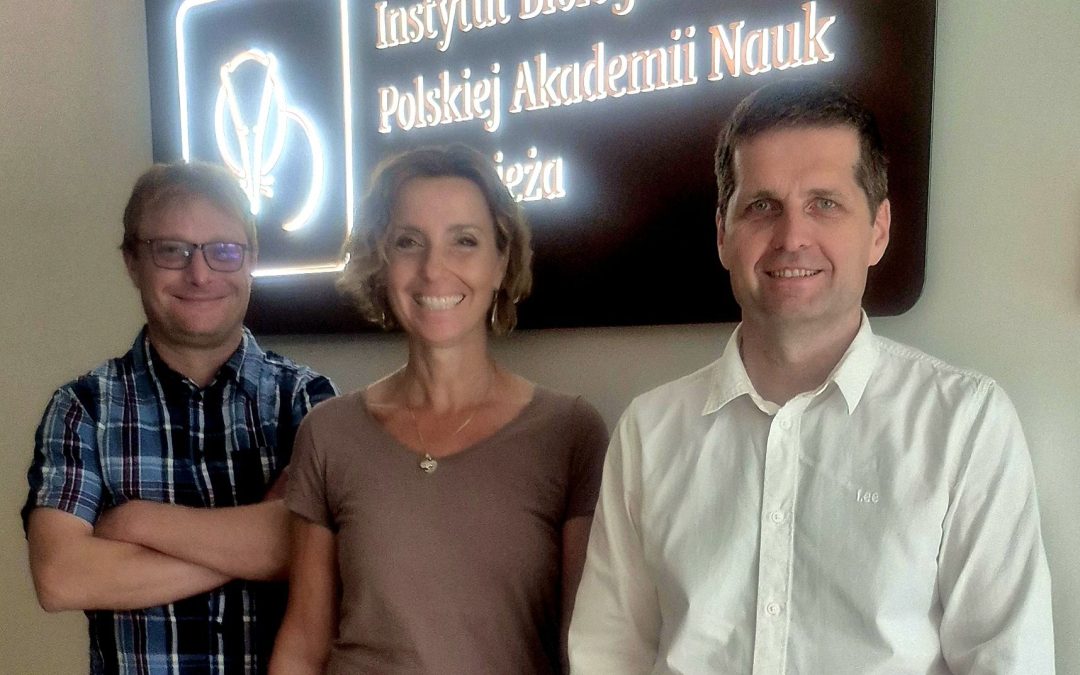
The National Science Centre has announced the results of the OPUS LAP call for international research projects. We are delighted to share that two more proposals submitted by researchers from the Mammal Research Institute PAS have been awarded funding! In both projects, MRI PAS is a partner in an international research consortium:
????️ Dr habil. Marta Kołodziej-Sobocińska, Prof. MRI PAS will carry out the project “Deciphering genetic diversity of tick-borne Apicomplexans and their transmission routes in wildlife–domestic mammal systems across Central Europe” in collaboration with the project leader, Dr Dorota Dwużnik-Szarek and her team from the Faculty of Biology, University of Warsaw, as well as researchers from the Czech University of Life Sciences in Prague and Mendel University in Brno.
The project focuses on protozoan parasites of the genera Babesia and Hepatozoon – tick-borne parasites that can cause disease in livestock, companion animals, and occasionally in humans. By applying advanced DNA sequencing technologies (Next Generation Sequencing), the research team will gain a more comprehensive understanding of the diversity of these parasites and the transmission pathways between wild and domestic mammals across Central Europe.
????Dr Jan Stanisław Boratyński will carry out the project: “Carryover effects of pathogen pressure during the hibernation of European bats” in collaboration with the project leader, Dr Tomasz Kokurewicz and his team from the Institute of Biology, Wrocław University of Envronmental and Life Sciences, as well as researchers from the Czech University of Veterinary Sciences in Brno, Institute of Vertebrate Biology, Czech Academy of Sciences.
The project will focus on long-term and inter-seasonal consequences of nonletal infection with the fungi pathogen P. destructans in greater mouse-eared bats at the end of their natural hibernation and during breeding. Our main prediction is that the intensity of infection and the associated functioning of the bat immune system deplete their energy budget in the period preceding reproduction and ultimately negatively affect its outcome by delaying births and reducing the survival of youngs.
Congratulations to both awardees! We wish you every success and look forward to the exciting scientific discoveries your projects will bring.